 |
||
|
|
Things About Japan


 Welcome to Japan! I’m Chiharu. Whether it’s by web search or simply by coincidence, if you’ve found this page, then it’s
 |
Sister sites about Japan
|

Handy Japanese Phraseすみません Close translation: “Excuse me! / I’m sorry! / Thank you!”
Here’s a convenient, versatile phrase you can use in three ways. It can mean “Excuse me” when you want to get someone’s attention. It expresses your apology for bumping into someone when you are carelessly looking the other way, or it conveys your casual gratitude when someone has picked up your fallen hat, for instance. That’s this phrase, “Su-mi-ma-se-n” (pronounced as: suh-mih-mah-seh-n). Actually, when you are in Japan, and have your ears sharpened, in the street, in a hotel lobby, or in a restaurant, for example, you may hear people saying the word as they thread through the crowd, slide into the elevator when someone has held the open button pressed, or alert someone who has dropped their hankie. As a Japanese, I wonder what people would say if there weren’t this phrase. More casually, it can be pronounced “Su-i-ma-se-n”, simply dropping the “m” sound. Check other handy phrases |
A Japanese Landscape
Here is one of many deserted houses in rural areas due to depopulation. My native town is qualified as such, and this house used to belong to my neighbour. I passed by on one winter day when I returned to my native house and stopped, impressed by how beautifully the snow decorated this deserted old residence, where an old couple had died long ago, and their son, who had lived in Tokyo, also died there, without ever returning to his hometown. The snow-covered house is beautiful, and that makes even sadder the fact that it’s no one’s home. More Landscapes |
Wabi-Sabi Moment
Winter |
Japanese Deity
Called “Fudō Myoō” in Japanese, Achala (or spelled Acala) is a buddha representation of firm determination and infinite compassion hidden deep inside. Its fierce countenance shows a great fatherly love, who sternly admonishes wrongness while crying in his heart out of pity for people’s resistant ignorance. Its tools include a rope to catch straying ones and a sword to sever their delusive attachments. Often depicted with raging fire behind its back and flanked by two minor acolytes. |
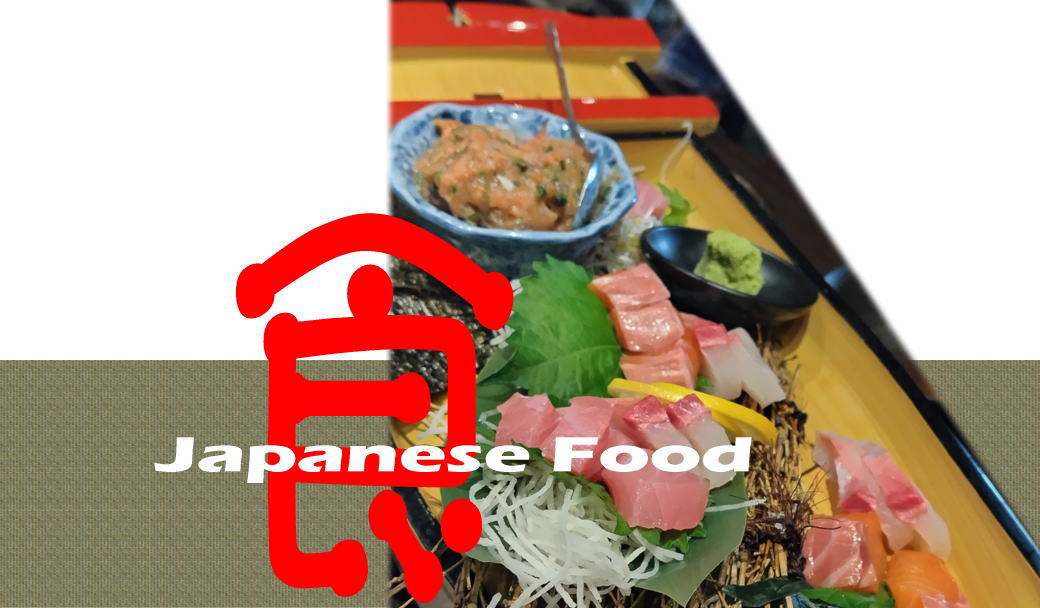
Japanese Food
きくらげ, 木耳
|

Cool Japanese KanjiMeaning: Love/Pronunciation: ai |
 |
| More Japanese Kanjis |